


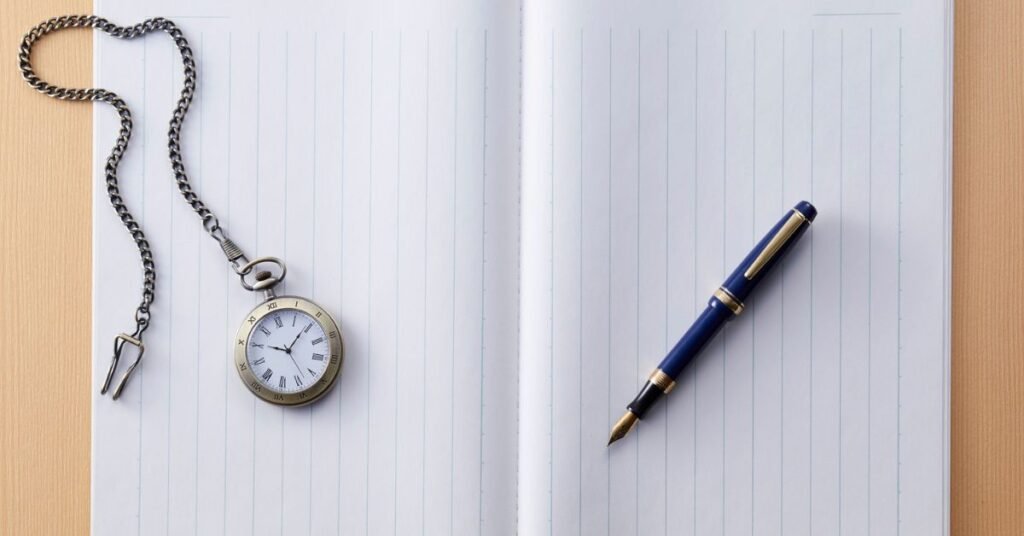
There are many ways people measure respect. Some look at how others speak to them. Others notice how they are treated in moments of disagreement. But one of the clearest indicators of respect often goes unnoticed. It is how someone handles your time.
Time is the one resource that cannot be refunded. Once it is spent, it is gone. That makes it different from money, energy, or effort. When someone wastes your time, they are not just causing inconvenience. They are taking something that can’t be replaced.
Being a good steward of other people’s time means recognizing this truth and acting accordingly. It means understanding that every minute you ask of someone carries value, whether or not it is acknowledged out loud.
What It Means to Be a Good Steward
To be a good steward of someone else’s time is to treat it with the same care you would want for your own. It is about awareness, preparation, and follow-through.
It starts with showing up when you say you will. Being on time is not just about punctuality. It is about signaling that you respect the person waiting for you. It tells them that their schedule matters, that their time is not something to be casually adjusted
It also shows up in how you plan. When you invite someone into your schedule, you are asking them to make space for you. A good steward considers what that request actually costs the other person. They think ahead. They communicate clearly. They avoid unnecessary changes that force others to adjust.
At its core, stewardship of time is about consideration.
The Skill of Situational Awareness
One of the most overlooked aspects of respecting time is situational awareness. It is the ability to read the room, understand context, and adjust accordingly.
This might mean recognizing when someone is busy and keeping things brief. It might mean understanding that a last-minute change creates a ripple effect. It might mean knowing when to follow through on a plan and when to reschedule with clarity rather than leaving things uncertain.
Situational awareness is not something people are always taught. It is developed over time through observation and experience. It requires paying attention not just to your own needs, but to how your actions affect others.
People who have this skill rarely need to be told they are respectful. It shows in how they operate.
When Time Is Wasted
On the other side of this are the patterns that signal a lack of stewardship. These patterns are often subtle at first, but they become clear over time.
There are people whose plans rarely unfold the way they say they will. Times shift. Details change. Expectations are adjusted after the fact. What begins as a simple commitment turns into something more complicated.
Last-minute additions are a common example. A plan is set, and then new elements are introduced without much thought about how they affect others. Suddenly, more time is required. More effort is expected. Sometimes, even additional responsibilities, like driving or coordinating, are added without clear communication.
These situations create friction. They force others to adapt, often without having agreed to the change. Over time, this can lead to frustration and a sense that one person’s time is valued more than another’s.
The issue is not always intentional. Many people who waste time do not realize they are doing it. They may simply lack awareness or have not developed the habit of thinking ahead.
The Emotional Impact of Time Mismanagement
What often goes unspoken is how these patterns affect relationships. When someone consistently respects your time, it creates trust. You know what to expect. You feel valued. You feel considered.
When someone consistently disrupts your time, the opposite happens. There is uncertainty. Plans feel unstable. You begin to question whether your time is being taken seriously.
This can lead to a quiet withdrawal. People may stop committing as easily. They may hesitate before agreeing to plans. Not because they don’t care, but because they have learned that the experience may not match the expectation.
Respecting time is not just about efficiency. It is about how people feel in your presence.
Something to Consider
Respecting time also means respecting boundaries. When someone says they have limited availability, honoring that boundary is part of stewardship.
Another overlooked aspect is preparation. When you come prepared, whether for a meeting, a conversation, or a commitment, you reduce the likelihood of wasting time. You make interactions more effective and more meaningful.
There is also the concept of energy. Time is not just measured in minutes. It is tied to focus, attention, and mental capacity. When someone gives you their time, they are also giving you their energy. Respecting one means respecting the other.
Learning the Skill
Respecting other people’s time is not something that happens automatically. It is a skill that develops through awareness and intention.
It involves asking simple questions before making commitments. Is this realistic? Am I prepared? Will this require more from someone else than I am acknowledging?
It also involves taking responsibility when things do not go as planned. Clear communication can prevent small issues from becoming larger frustrations. Letting someone know early, adjusting expectations honestly, and following through on what is agreed upon all contribute to stronger trust.Like any skill, it improves with practice.
The Long-Term Effect
Over time, people build a reputation based on how they handle time. Some are known for being reliable, prepared, and respectful. Others are known for being unpredictable, disorganized, or difficult to plan with.
These reputations shape opportunities. People are more likely to trust, collaborate with, and invest time in those who respect theirs.
Being a good steward of time does not require perfection. It requires consistency.
The Wrap Up
Being a good steward of other people’s time is one of the most practical ways to show respect. It reflects awareness, consideration, and responsibility. It shapes how others experience you and how they choose to engage with you.
In a world where schedules are full and attention is limited, time becomes even more valuable. Treating it with care is not just a courtesy. It is a reflection of character.
When you respect someone’s time, you are telling them something important without saying a word. You are telling them they matter.