

Modern life trains people to expect speed. Fast shipping, instant communication, immediate answers. Most things today are designed to reduce waiting. Over time, that convenience begins to shape expectations in other parts of life too. People start expecting relationships, healing, success, confidence, and clarity to arrive just as quickly.
But some things do not work that way.
Some things need time to develop. Not because something is wrong, but because growth itself requires process. There are parts of life that cannot be accelerated without changing the outcome entirely.
It is similar to watching a photograph slowly appear on a Polaroid. You can shake it, stare at it, or hold it up to the light, but none of those things makes the image develop faster. The picture reveals itself at its own pace.
Life often works the same way.
Why Development Takes Time
Some things are built gradually. Trust is one of them. So is wisdom. Emotional maturity. Skill. Confidence. Meaningful relationships. These things are layered. They form through repetition, experience, setbacks, and adjustment.
People often focus on the visible result without realizing how much unseen development had to happen beforehand. A successful business may appear overnight to outsiders, even though years of learning and failure led up to it. A healthy relationship may look effortless, while hiding years of communication, compromise, and growth underneath the surface.
Development is often invisible while it is happening. That invisibility is what makes waiting difficult.
The Discomfort of the In-Between
One of the hardest parts of development is the middle stage. The beginning is exciting because everything feels possible. The end is satisfying because there is a resolution. But the middle often feels uncertain.
This is where people are tempted to rush things.
They want answers before clarity has formed. They want results before foundations are stable. They want certainty before experience has had time to teach them anything.
The middle stage of development can feel frustrating because progress is not always obvious. But that stage is often where the most important growth occurs.
Why Rushing Can Backfire
There are consequences to forcing things before they are ready. Relationships built too quickly may lack trust and stability. Businesses expanded too early can collapse under pressure. Emotional wounds ignored instead of processed often resurface later in different forms.
Rushing development can create the appearance of progress without the structure needed to support it.
Nature offers countless examples of this. Fruit picked too early lacks flavor. Muscles built without recovery become injured. Even concrete requires time to cure properly before it can support weight.
The same principle applies emotionally and mentally. Some things become stronger specifically because they were allowed to develop fully.
The Pros of Letting Things Develop Naturally
Allowing situations to develop at their own pace creates depth. It gives people time to observe patterns instead of reacting only to emotion. It allows understanding to mature before major decisions are made.
Patience also creates resilience. When something develops slowly, people often gain the experience and perspective needed to sustain it once it arrives. They become prepared for what they were asking for.
There is also a level of peace that comes from accepting the process instead of constantly fighting it. People who understand development tend to experience less panic during uncertainty because they recognize that not everything meaningful appears immediately.
Sometimes the greatest growth is happening during the waiting itself.
The Cons of Waiting Too Long
At the same time, there is an important balance here. “Letting things develop” should not become an excuse for avoidance or passivity.
Some people wait when they should act. They convince themselves that time alone will solve problems that actually require difficult decisions or direct effort. Not every situation improves with patience. Some situations deteriorate without intervention.
This is where wisdom becomes important. There is a difference between allowing healthy development and delaying necessary action.
Fear often disguises itself as patience. People say they are “waiting for the right time” when they are actually avoiding risk, rejection, or discomfort.
Understanding that distinction matters.
Consider the Following
One thing people rarely consider is that development changes us while we are waiting. The process itself shapes identity. A person entering a challenge is often different from the person who eventually emerges from it.
Another overlooked idea is that unfinished things can still hold value. Society tends to celebrate completed outcomes, but development has worth too. The person learning, struggling, practicing, or rebuilding is already becoming something, even before the final result appears.
There is also the emotional side of waiting. Patience can feel lonely because growth is often internal before it becomes visible externally. People may not see your progress right away, but that does not mean progress is not happening.
And sometimes, development requires stillness. Constant interference can disrupt growth. Just as shaking a Polaroid does not speed up the photograph, forcing clarity or outcomes can sometimes delay the very thing we are trying to create.
Trusting the Process Without Losing Momentum
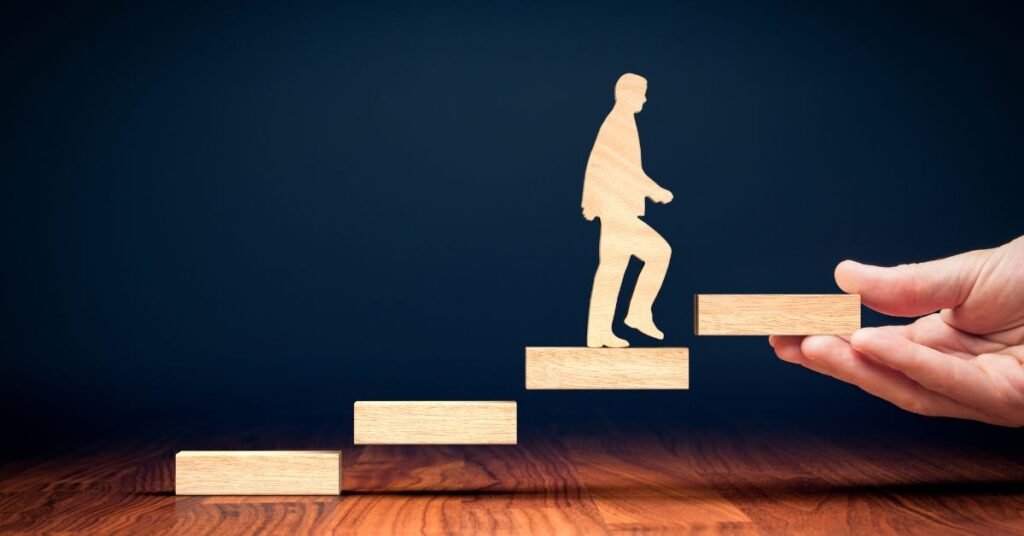
The healthiest approach is usually somewhere in the middle. Continue showing up. Continue making an effort. Continue learning. But recognize that outcomes often have their own timeline.
Development does not mean doing nothing. It means understanding that meaningful things often require repeated attention over time.
A garden still needs watering while it grows. A relationship still needs communication while trust develops. A skill still requires practice while mastery forms.
Patience and effort are not opposites. They work together.
The Wrap Up
Some things just need time to develop. Not because life is withholding something from us, but because certain things can only become meaningful through process.
The challenge is learning how to stay patient without becoming passive, and how to continue moving forward without trying to force results before they are ready.
In the end, many of the most valuable parts of life are not built instantly. They unfold slowly, layer by layer, often in ways we do not fully appreciate until much later.
Like a photograph gradually appearing, some things reveal themselves only when given the time they need.