

Why We Hold On, What It Costs Us, and What It Says About Us
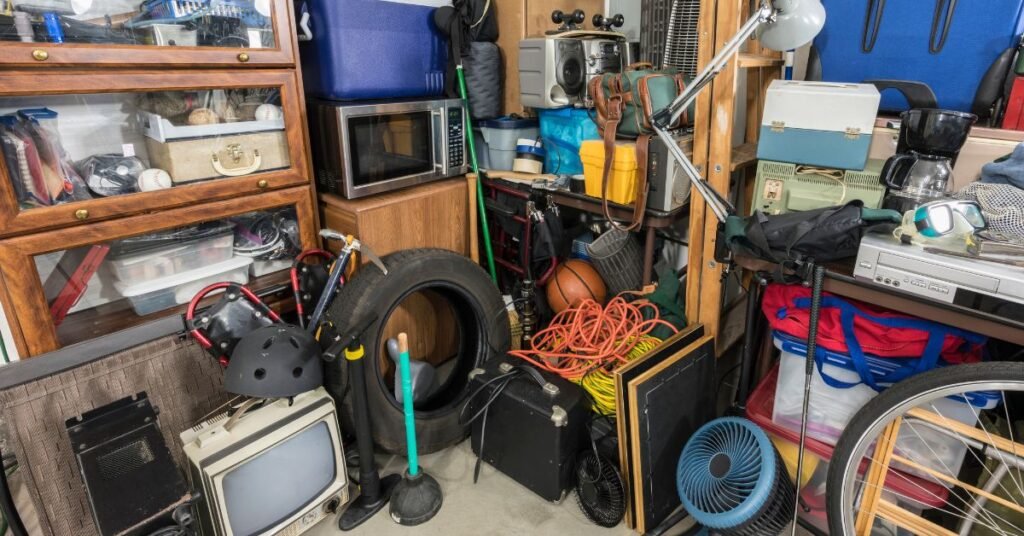
People rarely keep things for “the thing itself”. A box in the garage is seldom just a box. An old concert ticket is not simply paper. A worn-out chair may no longer be comfortable, yet someone still refuses to throw it away. Objects tend to collect meaning over time. They become attached to memories, people, identities, and moments we are afraid to lose.
This is why letting go of things can feel emotional in ways that seem irrational from the outside. Someone else may see clutter. The owner sees a piece of their life.
The weight of the things we keep is not always physical. Much of it is emotional.
Why People Hold On to Things
There are many reasons people keep things, and most of them go deeper than practicality. Sometimes people keep objects because they represent security. A person who grew up without much may struggle to throw things away because having extra feels safe. Even if something is rarely used, the idea of needing it later creates anxiety around letting it go.
Other times, people hold onto things because they are connected to memory. A jacket belonging to a grandparent, old photographs, childhood toys, and handwritten notes. These objects become emotional anchors. Letting go of them can feel like letting go of the person or moment attached to them.
There is also identity. People often keep things because those things reflect who they were at a certain point in life. Old sports equipment, college textbooks, instruments, unfinished projects. These items can represent ambition, youth, talent, or a version of ourselves we are not ready to part with.
Sometimes the object itself matters less than what it says about us.
The Emotional Weight of Moving
You do not fully realize how much you own until you have to move it.
Moving has a way of forcing people into confrontation with their possessions. Every box becomes a question. Why do I still have this? Do I need this? Why have I carried this from place to place for years?
The physical exhaustion of moving often reveals the emotional exhaustion attached to the things we keep. What once felt comforting can suddenly feel heavy. Objects that were ignored for years now demand energy, time, and decision-making.
This is part of why moving can feel so emotionally draining. People are not just transporting belongings. They are transporting versions of their lives. Memories. Regrets. Sentimental attachments. Forgotten goals. Sometimes even grief.
A move becomes more than relocation. It becomes a reflection.
The Comfort of Familiarity
There is also comfort in keeping familiar things around. Human beings are creatures of pattern and memory. Familiar objects can create stability, especially during uncertain times.
This is why people often keep things during periods of transition. After a breakup. After losing someone. After moving to a new city. Familiar possessions create continuity when life feels unstable.
Even clutter can become emotionally comforting because it represents predictability. A room full of familiar objects can feel safer than empty space.
This does not mean keeping things is always unhealthy. Sometimes objects genuinely help preserve connection and identity. The issue is whether the things are serving the person, or whether the person has quietly become responsible for serving the things.
The Difference Between Memory and Burden
One of the hardest parts about letting go is the fear that memories disappear with the object. But memories and objects are not always the same thing.
People often assume that discarding an item means discarding its meaning. In reality, many memories continue to exist long after the object is gone. The object simply acted as a doorway to the memory.
At the same time, some items genuinely carry emotional importance and deserve to be preserved. The challenge is recognizing the difference between meaningful keepsakes and emotional weight disguised as necessity.
This requires honesty. Not every object deserves permanent space in your life simply because it once mattered.
Consider the Following
There are deeper layers to this topic that people do not always consider. One of them is the cost of mental clutter. Physical clutter often creates psychological clutter. The more unfinished, disorganized, or emotionally loaded objects surrounding someone, the harder it can become to feel mentally clear.
Another overlooked aspect is inherited attachment. Many people keep things not because they personally value them, but because they feel guilty letting go of something that belonged to someone else. The object becomes tied to obligation instead of meaning.
There is also the issue of postponed decisions. Some people keep things because deciding feels harder than storing. Boxes remain unopened for years simply because no final choice has been made.
Interestingly, people also underestimate how much freedom can come from owning less. Less maintenance. Less responsibility. Less emotional attachment to material things. Letting go can create space, not just physically, but emotionally.
The Other Side of Letting Go
At the same time, there is a danger in becoming too detached from possessions. Minimalism can sometimes become emotional avoidance disguised as simplicity. Not everything meaningful should be discarded in the name of efficiency.
Objects help tell stories. They connect generations. They preserve history. A home completely stripped of memory can feel empty in its own way.
The goal is not to own nothing. The goal is to understand why you own what you own.
Learning What Deserves to Stay
Over time, people begin to realize that the most meaningful things they keep are often not the most expensive or impressive. They are the things connected to emotion, identity, and memory.
A coffee-stained letter. A family recipe written in someone’s handwriting. A photo tucked into a drawer. These objects matter because they hold a human connection.
The key is intentionality. Keeping things should be a choice, not an unconscious habit.
The Wrap Up
The weight of the things we keep is rarely just physical. It is emotional, psychological, and deeply personal. The objects people surround themselves with often tell the story of where they have been, what they value, and what they are afraid to lose.
Sometimes keeping things brings comfort, connection, and meaning. Other times it creates burden, clutter, and emotional stagnation. Most people live somewhere in between.
In the end, the question is not simply whether we should keep things or let them go. The better question is whether the things we carry are still helping us live the life we are trying to build.