


Most of us have heard the phrase at some point, usually said with a sigh or a half laugh: “No good deed goes unpunished.” It often comes out after someone has tried to help, only to find themselves stressed, blamed, or worse off than before. On the surface, the saying feels cynical, even discouraging. Why help at all if it only leads to trouble?
But like many old phrases, this one carries more nuance than it first appears. It reflects a real experience people have, but it is not a rule of life. Understanding what it means, why it sometimes feels true, and when it is not, can help us do good in wiser, healthier ways.
Where the phrase comes from
The phrase “no good deed goes unpunished” is commonly attributed to playwright Oscar Wilde, though versions of the idea existed long before him. At its heart, the saying captures a frustration that arises when kindness leads to unintended consequences. You step in to help, and suddenly, you are entangled in problems you never signed up for.
The phrase has endured because many people recognize themselves in it. Almost everyone has a story where helping seemed like the right thing to do, yet somehow backfired. The saying became a shorthand for that feeling of irony and disappointment.
Why it sometimes feels true
There are practical reasons why good deeds can lead to negative outcomes. When you help someone, you often step into a situation that already has complexity, emotion, or history attached to it. By getting involved, you become part of that web.
Sometimes expectations grow. A one-time favor turns into a long-term obligation. Sometimes boundaries are unclear, and people assume your help means you are responsible for fixing everything. In other cases, your help highlights problems that others would rather ignore, which can lead to resentment instead of gratitude.
There is also the human tendency to remember negative outcomes more vividly than positive ones. When a good deed goes smoothly, we rarely dwell on it. When it goes wrong, it sticks with us. Over time, those memories can make the phrase feel more universally true than it actually is.
When the phrase becomes a warning
Taken too literally, “no good deed goes unpunished” can discourage generosity. It can make people hesitant to help, fearful that kindness will only bring trouble. That is where the phrase becomes unhelpful.
Used wisely, however, it can serve as a reminder to be thoughtful about how we help. Not every situation requires intervention. Not every request is healthy to say yes to. The phrase can prompt us to pause and consider the consequences of our actions before rushing in.
In that sense, it is less a statement about kindness being foolish and more a caution about kindness without boundaries.
The counterpoint: Good deeds often do go right
For every story where helping backfires, there are countless others where it makes life better for everyone involved. A neighbor helps another during a difficult time and forms a lifelong friendship. A coworker offers support and builds trust that lasts for years. A stranger helps someone in need and walks away quietly, knowing they did something meaningful.
These stories do not always get repeated with the same drama as negative ones, but they are far more common. Kindness builds social fabric. Communities rely on people stepping up for one another. The fact that society functions at all is proof that many good deeds do not go unpunished.
The phrase survives because it speaks to a specific kind of frustration, not because it accurately describes how kindness usually works.
Why good deeds sometimes backfire
Understanding why things go wrong helps us avoid repeating the pattern. One common reason is unclear expectations. When you help without discussing limits, people may assume more than you intended to give. Another reason is trying to solve problems that are not yours to solve. Helping can turn into rescuing, which often leaves everyone unhappy.
There is also the issue of timing. Sometimes people are not ready for help, even if they ask for it. Other times, helping too quickly prevents someone from learning or taking responsibility themselves. In these cases, the punishment is not for the good deed itself, but for how it was carried out.
How to help without hurting yourself
Doing good does not mean doing everything. One of the most important skills is knowing your limits. Before offering help, it is worth asking yourself what you can realistically give without resentment or burnout. If the answer is very little, then honesty matters.
Clear communication also makes a difference. When you help, it helps to be upfront about what you’re offering and what you’re not. This reduces misunderstandings and protects both parties. Helping with clarity is far kinder than helping vaguely and growing frustrated later.
Another important factor is motive. Helping to feel needed, to avoid guilt, or to control an outcome often leads to trouble. Helping because you genuinely want to support someone, while respecting their autonomy, tends to go much better.
Choosing when to step back
Sometimes the most helpful thing you can do is step back. This can feel counterintuitive, especially if you care deeply. But stepping back allows others to take ownership of their choices and consequences.
Learning when not to help is just as important as learning when to help. This does not make you unkind; it makes you wise. It recognizes that not every problem improves with your involvement.
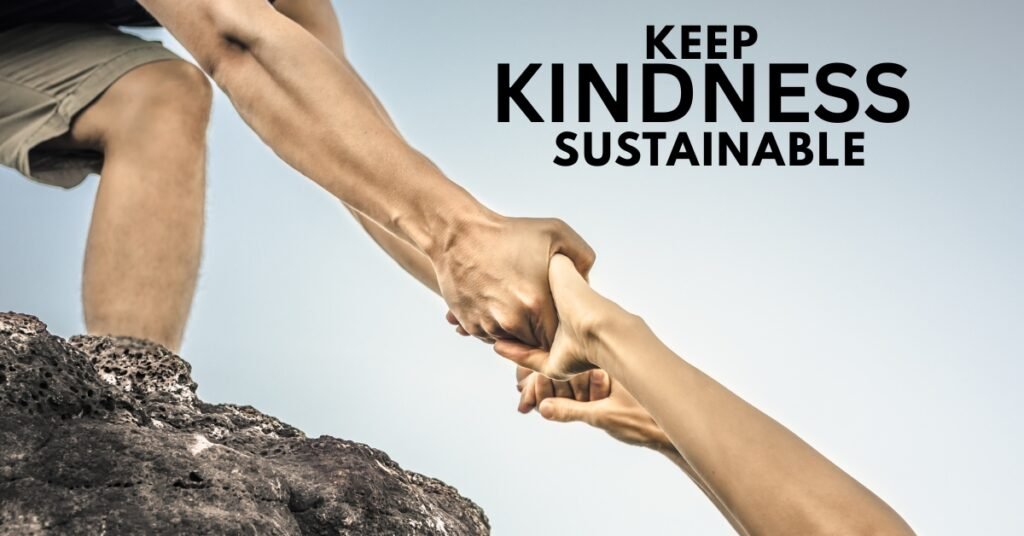
Keeping kindness sustainable
One reason people stop being generous is that they associate kindness with exhaustion or regret. That usually happens when kindness is not balanced with self-respect. Sustainable kindness includes caring for yourself as well as others.
When you help in ways that align with your values, respect your limits, and honor the dignity of the person you are helping, the chances of feeling punished drop dramatically. You may still encounter challenges, but you are less likely to feel used or overwhelmed.
Reframing the phrase
Instead of hearing “no good deed goes unpunished” as a rule, it may help to hear it as a reminder. Good intentions do not automatically guarantee good outcomes. Kindness needs wisdom to guide it.
A more accurate version might be this: “Good deeds without boundaries can lead to unintended consequences.” That framing keeps the heart of the phrase while removing its cynicism.
The bigger picture
The world does not improve when people stop helping; it improves when people help thoughtfully. Kindness is one of the few forces that consistently brings people together, even when it is imperfect.
Yes, sometimes helping is messy. Sometimes it costs more than we expect. But that does not mean kindness is foolish; it means kindness is human.
The wrap up
“No good deed goes unpunished” captures a moment of frustration, not a life philosophy. It reflects the reality that helping can be complicated, but it does not negate the value of doing good.
When kindness is paired with clarity, boundaries, and self-awareness, it becomes a strength rather than a liability. Good deeds do not have to lead to punishment. More often than not, they lead to connection, trust, and a quieter kind of reward that does not need a phrase to explain it.
Doing good is still worth it; it just works best when done with open eyes and a steady heart.