

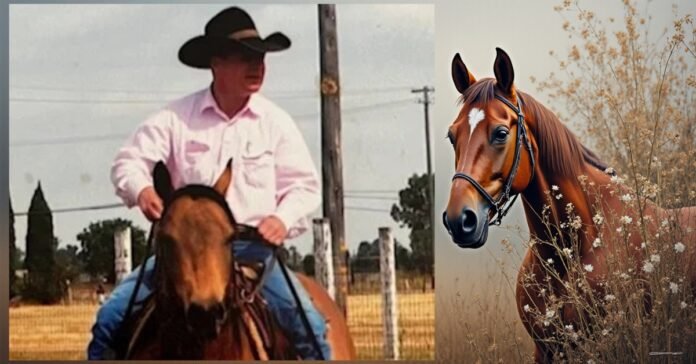
Paul Wayman first came across Captain Your Story while he was in prison. The Flyer that outlined a curriculum geared toward taking ownership of your past to create a positive future, piqued his interest. He decided to sign up and check it out, even though he was initially doubtful. It all seemed too good to be true. If it was that easy to take control of your life and live your vision, he thought, why isn’t everyone doing it? Still, he continued to attend.
Eventually, Wayman opened up to the course guides about his background with horses. They challenged him to write about how he envisioned the rest of his life and how his work with horses might factor into that. Paul didn’t enjoy writing; however, he had never been one to shrink from a challenge, so he accepted. As he wrote, he began contemplating the changes he wanted to make, the things he wanted to do once he was released, and how everything would look. To his amazement, he started to feel excited about life again. Slowly, Wayman was coming back to life.
Before prison, Wayman had been trapped in a dark and lonely place. Growing up within a strict military family, he learned early in life that displaying any hint of vulnerability wasn’t just shameful, but dangerous. Vulnerability meant weakness, and weakness was unacceptable. He had to ignore his emotions and carry on silently.

Unfortunately, this harmful framework followed him into adulthood. He would evade his emotions by sticking to his horses and isolating from people as much as possible, and he later discovered a way to numb his pain even further through alcohol. These strategies weren’t exactly helpful, though. In fact, they only compounded his struggles, as he started cutting his work down to two hours a day so that he could attend to the nice, cold beer waiting for him at home.
Isolation and alcohol served him as well as a Band-Aid serves an internal bleed. He could conceal his wounds temporarily, but they still festered underneath. No matter how many times he reapplied the Band-Aid, it would inevitably fly off again. He was fearful, angry, and explosive. He walked on eggshells in his own home, and so did his family.
In his moments of sobriety, Wayman recognized that something was wrong — and he was terrified of seeking help. His family used to call him “Superman.” If he asked for help, he couldn’t be Superman anymore. His actions weren’t what he wanted to present, and if he fully owned up to them, it would result in his arrest and his loved ones abandoning him. Of course, Wayman could only avoid that disaster for so long, and eventually, his family did leave him, and he ended up spending three and a half years in prison for domestic violence.
Surprisingly, going to prison turned out to be the best thing that he could have experienced. Granted, he didn’t enjoy being there, but he was grateful for the opportunity to finally reflect, hold himself accountable, and heal.
Now that he was sober, with only his thoughts to keep him company, he was finally able to make the decision to reach out for help. He participated in extensive therapy, despite the discomfort he experienced as he was forced to confront and accept his past. Later, he discovered Captain Your Story and began engaging in transformational work. His course guides treated him as a person, not a prison number, which was a new experience for him. With their help, he learned to reframe his situation, taking ownership of his mistakes while also recognizing that they didn’t have to define him forever. He also learned to reclaim his true identity.
“I am a kind person,” he now claims for himself. “I am a bridge-builder. I am loving, capable, strong, and determined. I am a father. I am a son of God.”
Paul’s journey of healing led him to discover a newfound appreciation for recovery. He completed the education and training to become both a certified peer support specialist and a Captain Your Story guide. However, he didn’t want to stop there. He still enjoyed his ranching lifestyle, and now he wanted to reach the many other individuals within the ranching and rodeo industries who also quietly struggled with mental health and substance abuse. To do this, Wayman envisioned an annual New Year’s Eve dinner, dance, and rodeo dedicated to raising awareness for mental health and substance abuse within rural America. As part of this campaign, he planned to donate a percentage of the proceeds to mental health, substance abuse, and domestic violence charities and organizations.
Now that he has been released, that vision is actually unfolding. With the guiding support of the My Story Matters framework, as well as the support of the Western States Ranch Rodeo Association, Wayman’s first annual Relentless Grit New Year’s Ranch Bronc Buck N’ Ball is scheduled for next month at Mount Pleasant Arena.
In order to ensure that it is a recurring event, he is currently seeking out additional sponsorships and donations, along with businesses and organizations who are interested in setting up booths for the rodeo. Wayman is now living out his vision. What he once believed was too good to be true is now coming to fruition. He is excited to help individuals and communities understand that it is OK to struggle, be vulnerable, and ask for help, because that is where real strength truly lies. He even plans to set that example himself by sharing his story at the event in front of everyone in attendance. In his own words, “God uses broken people to tell beautiful stories.”
More information about Paul and his event can be found on his website at diamond3pperformance.com.
For more information about what My Story Matters can do for you, contact questions@mystorymatters.org. More information can also be found at mystorymatters.org.
Submitted by Sterling Nebeker