

Editor’s note: Trudy Peck is a longtime columnist who, in recent times, has been revisiting her old advice columns with an updated version of what she would say now.
Then: Jun 30, 2012
My daughter’s friend suddenly decided that they were no longer friends and has avoided my daughter ever since. My sad girl, let’s call her Bridget, said that since she had done nothing wrong, she shouldn’t have to be the one to make up. Is it OK to let some relationships just end that way, or should something be done about it? – Unsure parent

Dear Unsure,
While sometimes it seems easier to just let the friendship go and move on, each time there are unresolved issues, future relationships are threatened. A person who has been burned has a harder time building new relationships and trusting. A healthier route would be to teach our children to resolve issues between friends (and family members) as soon as possible. While it may seem easier at the time to just let it go and agree to not like that person anymore, there is a lot to be said for attempting to resolve problems between people.
With very small people, they can come home crying because a friend was mean one day and the very next day, all is forgotten they are skipping off up the street to play again. At some point in development, pride enters in and young people are less able to just “skip it off” when there are hurt feelings. Teenagers are especially vulnerable to emotions keeping them from forgiving, but they are not the only ones.
As parents, we can do something. As an example, with young children like Bridget, we could go to her friend’s house with her and help her talk it out. We could encourage her to see things from her friend’s side.
As children mature, resistance to parental assistance increases. Mom and Dad could help by encouraging them to go take care of matters themselves. They could help Bridget see whether or not she has something she could apologize for. If she doesn’t, parents can try and help her find the courage to just go talk to a friend who has issues with her.
A powerful tool parents can use is to talk their child through scenarios and what he or she could say to the friend who now “hates” her. This can help her find the courage while also teaching Bridget that matters are easiest settled when fewer people are told about the problem. Talking up issues with friends who are not involved only makes resolution more complicated.
We parents can be courageous when a relationship issue arises in our own lives. We can step up and face it. Call your boss if something was said that offended you. Talk it out. Fix it up. Then, as appropriate, tell your family what you experienced. Sometimes attempts to repair situations don’t all come up peaches and rosy, but we learn and grow in the process. Others respect those who try.
In a world where many people would give up a friend rather than repair a bruised relationship, it is a gift to help your children learn to face uncomfortable situations and address problems between people. Rather than just letting it go to fade with time, walk your young one through the process of solving problems by facing them head on. If they can learn this skill, they may later be able to save their job because they knew how to talk to a boss about a complaint. They will be better equipped to stay in a marriage relationship, and they will find it easier to deal with their own children as they come along.
And now?
In today’s culture, it is increasingly acceptable to label a relationship as “toxic” if it doesn’t “work out,” perhaps under the guise of protecting our mental health. While it is true that some people have habits that make relationships difficult, to simply paste on a label and move along does more internal damage than we know. This can be seen in the rising numbers of broken homes and families. And in the increase of young people facing anxiety and depression. They are not learning how to cope with challenging relationships because they are excused by society when things get hard.
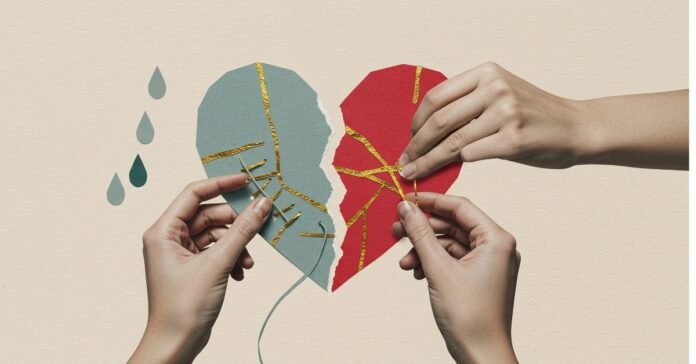
This is NOT to say we should stay in a harmful situation, or return to be hurt again. But, as with most difficulties in our world, The Master Teacher taught a solution. “First be reconciled to thy brother and then come and offer thy gift.” When our children learn to choose reconciliation, their character is strengthened. They learn to cope when difficulties arise. They discover the ability to see with compassion the hurt another is experiencing, and to care more about them than ourselves. They find the courage and humility to say, “I’m sorry,” and mend bridges rather than burn them.
We teach these things to our children through example, conversation and encouragement. And love.