

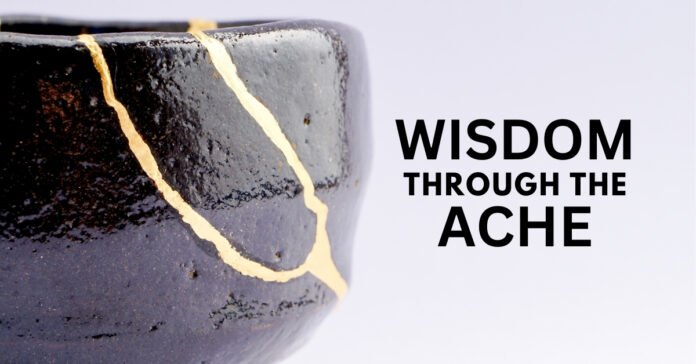
“Find comfort in the pain” sounds like a contradiction at first. Pain is something we’re taught to avoid, fix, numb, or push through as quickly as possible. Comfort is what we seek when pain ends. Putting the two together can feel confusing, even unsettling. Why would anyone want to be comfortable with discomfort?
And yet, many of the strongest, most grounded people you’ll ever meet have learned exactly that. They have discovered that pain, when faced honestly, can become a teacher rather than an enemy. Comfort does not mean enjoying pain or pretending it does not hurt’ it means learning how to exist within difficult moments without being undone by them.
What It Means to Be Comfortable While Uncomfortable
Being comfortable in pain does not mean being indifferent to it; it means acknowledging what you feel without panic or avoidance. It means recognizing that discomfort is part of being alive, not a sign that something has gone wrong.

When you can sit with discomfort, whether emotional or physical, you stop reacting automatically. You breathe. You observe. You give yourself permission to feel what you feel without rushing to escape it. That space changes everything. Instead of pain controlling you, you begin to relate to it differently.
This kind of comfort is not passive; it’s steady. It is the calm that says, “This is hard, and I can handle it.”
Why We Struggle With Discomfort
Most of us were not taught how to deal with discomfort’ we were taught to avoid it. Sadness is brushed aside. Anger is often suppressed. Fear is treated as weakness. Even boredom is something we rush to eliminate.
Modern life makes avoidance easy. Distractions are everywhere. When something hurts, we scroll, eat, shop, work more, or numb ourselves in countless other ways. These habits are understandable, but they come with a cost. Avoided pain does not disappear. It lingers and often grows louder.
Learning to be comfortable with discomfort means unlearning the reflex to escape every unpleasant feeling. It means trusting that emotions, even painful ones, are temporary and survivable.
The Emotional Side of Pain
Pain is not just physical. Emotional pain can be just as intense, and sometimes harder to face. Grief, rejection, disappointment, shame, loneliness, and regret all create discomfort that many people try to outrun.
One of the things we often overlook is that emotional pain is information. It points to what matters. Grief exists because love existed. Disappointment exists because hope existed. Fear exists because something feels important or uncertain.
When you find comfort in emotional pain, you stop seeing it as an enemy. You start listening to it. You ask what it is trying to tell you about your values, your needs, or your boundaries.
Growth Lives in Discomfort
Nearly every meaningful form of growth involves discomfort. Learning a new skill feels awkward. Speaking honestly in a difficult conversation feels scary. Setting boundaries can feel painful. Letting go of an old identity can feel like a loss.
If you only pursue what feels comfortable, growth stays limited. Comfort zones feel safe, but they are also small. Discomfort is often the signal that you are stretching beyond what you already know.
Finding comfort in pain means recognizing that discomfort is often a sign of movement. It does not guarantee success, but it does suggest you are engaging with life rather than hiding from it.
The Difference Between Healthy Pain and Harm
An important counterpoint is this: not all pain should be endured. Some discomfort is a signal to change direction, not to push harder. Pain that comes from abuse, neglect, or ongoing harm is not something to romanticize or tolerate.
Finding comfort in pain does not mean staying in situations that damage your well being. It means learning to differentiate between pain that builds strength and pain that breaks you down.
Wisdom lies in knowing when discomfort is part of growth and when it is a warning sign. Comfort comes not from ignoring pain, but from responding to it thoughtfully.
What We Often Miss About Pain
One thing people rarely consider is that pain often feels worse when we judge it. When we tell ourselves we should not feel this way, or that something is wrong with us for struggling, we add a second layer of suffering.
Another overlooked aspect is how shared pain can connect people. When someone sits with you in discomfort without trying to fix it, it creates trust. When you allow yourself to be honest about pain, you invite authenticity into your relationships.
Pain also teaches patience. It slows us down. It forces us to be present. In a world obsessed with speed and productivity, discomfort can be one of the few things that brings us back to ourselves.
Learning to Stay Present
Comfort in pain grows with presence. When you stop fighting the feeling and instead notice it, something shifts. You might notice where it lives in your body. You might notice how it changes over time. You might notice that it rises and falls rather than staying constant.
Presence does not remove pain, but it often softens its edges. When you stay present, pain becomes an experience rather than an identity. You are not the pain. You are the one experiencing it.
This distinction matters. It allows you to feel deeply without beingonsumed.
The Strength That Comes From Staying
There is a quiet strength that develops when you learn to stay with discomfort. You become less reactive. You trust yourself more. You know that you can survive hard moments, which makes future challenges feel less overwhelming.
People who are comfortable with discomfort often appear calm under pressure. That calm does not come from a lack of feeling. It comes from familiarity. They have been here before. They know the terrain.
This strength does not make life painless. It makes life manageable.
Pain as a Teacher, Not a Punishment
Many of us subconsciously treat pain as punishment, as though it means we failed or did something wrong. Sometimes pain is simply the cost of being human. Loving deeply, trying honestly, and caring fully all carry the risk of hurt.
When you see pain as a teacher instead of a punishment, you become curious instead of resentful. You ask what this experience is shaping in you. Patience. Compassion. Courage. Perspective.
This shift does not eliminate pain, but it gives it meaning.
Finding Comfort Without Losing Tenderness
A common fear is that becoming comfortable with pain will make us hard or numb. In reality, the opposite is often true. When you stop fighting discomfort, you become more open, not less.
Comfort in pain allows tenderness to coexist with strength. You can feel deeply without collapsing. You can stay soft without being fragile. That balance is rare and valuable.
Living With More Ease, Not Less Feeling
Finding comfort in pain is not about living a harder life. It is about living with less fear of feeling. When you are no longer terrified of discomfort, you move through life with more ease.
You take chances more willingly. You speak more honestly. You recover more quickly when things do not go as planned. Pain still shows up, but it no longer defines the experience.
The Wrap Up
“Find comfort in the pain” is not an invitation to seek suffering. It is an invitation to stop
running from what is inevitable. Discomfort will visit every life. The question is not whether you will feel it, but how you will meet it.
When you learn to be comfortable while uncomfortable, pain loses some of its power. It becomes a part of the journey rather than a roadblock. In that space, growth happens. Strength forms. Understanding deepens.
Comfort does not always come after pain. Sometimes it comes within it.