

Modern culture has our heads constantly spinning. From the moment we wake up to the moment our heads hit the pillow, we’re bombarded with notifications, ads, opinions, breaking news, and endless options. What to wear. What to eat. What to watch. What to believe. Every choice drains a little energy. Every distraction chips away at focus.
And when it comes to health? It’s even louder.
New diets trend every week. Superfoods rotate in and out of fashion. Influencers promise shortcuts. Supplements claim miracles. You’re told you need more hacks, more discipline, more optimization.
You don’t.
What most people actually need isn’t more information; it’s fewer decisions.
Here’s what “health that actually works” looks like: no biohacking, no magic powders, no 30-day detoxes. Just boring, repeatable structure that removes friction and makes consistency automatic.
Here are some health “hacks” that I have found that actually work:
1. Eat the Same Meals Most Days
It sounds restrictive. It isn’t.
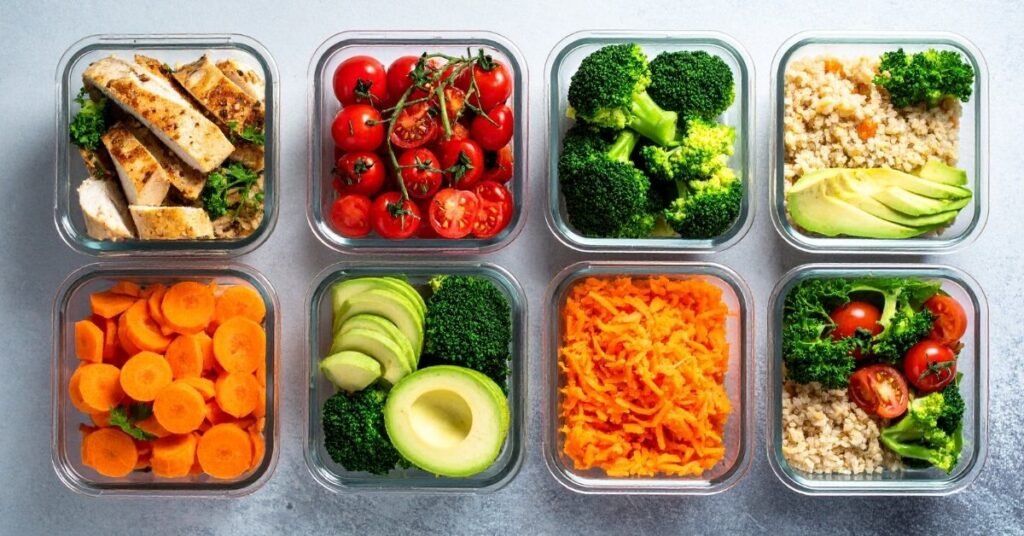
Variety is overrated when your goal is consistency. Every additional choice costs mental energy. When you rotate 4 to 5 core meals, you eliminate the daily “What should I eat?” debate.
Fewer decisions = less decision fatigue.
Less fatigue = better follow-through.
You don’t need a new recipe every night. Instead, you need meals that:
Hit your protein target
Keep you full
Taste good enough
Fit your schedule
Think rotation, not restriction.
2. Decide Tomorrow’s Food Today
Hunger is not the time to negotiate.
At 3 p.m., when you’re stressed and the break room has donuts, willpower is already depleted. That’s when impulse wins, so remove the negotiation entirely. When tomorrow’s meals are decided in advance, you don’t rely on motivation; you follow a plan your rational brain has already made. Future you doesn’t get to argue with past you.
3. Protein First. Every Meal.
Before carbs. Before fats. Before anything else. 30–40 grams of protein at each meal does a few powerful things:
Increases satiety
Stabilizes blood sugar
Preserves muscle
Reduces mindless snacking
By the time you move on to the rest of your plate, you’re already mostly full. That single shift naturally controls portions without tracking every calorie. No extremes. Just priority.
4. Don’t “Save” Calories
I used to eat light all day so I could “earn” a big dinner. It backfired. By nighttime, I was starving. Hunger + fatigue + access to food = overeating. Every time.
Now I front-load:
Big breakfast
Solid lunch
Lighter dinner
When your body isn’t playing catch-up all day, evening cravings lose their power. You’re eating from stability — not desperation.
5. Use the Same Bowl Every Time
Portion distortion is real. Put food in a large bowl and it looks small. Use a smaller bowl and the same amount suddenly looks generous. Your eyes influence your appetite more than you realize. Removed the variable. Use the same bowl and same plate so that you have the same visual reference.
No measuring cups. No weighing food. Just environmental control doing the work for me.
6. No Trigger Foods at Home
If it’s in the pantry, I’ll eat it. That’s not a weakness. That’s being human. The idea that
discipline should overpower constant temptation is a myth. Structure beats willpower every time. So design your environment to support your goals:
No foods I can’t moderate
No “just in case” snacks
No emotional impulse buys
If I want something indulgent, I can go out and get it intentionally. But it doesn’t live in my house. Access drives behavior. Reduce access, reduce friction, reduce regret.
The Real Secret: Make It Boring
There are no magic teas. No detoxes. No 10-minute ab shortcuts.
Just repeatable systems.
Modern life is chaotic, but your health shouldn’t be. When your meals are predictable, your environment is structured, and your decisions are minimized, health stops being dramatic. It becomes automatic. And that’s the point.
The goal isn’t motivation; it’s reducing the number of moments where motivation is required.
Boring habits executed consistently over a long time. That’s what actually works.